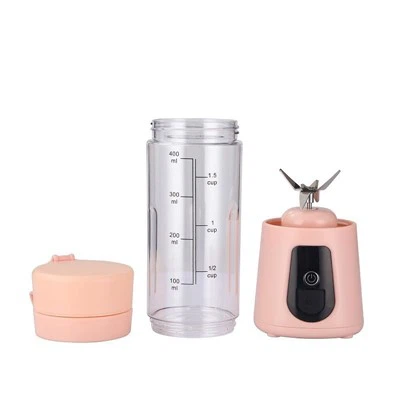
As a supplier of wireless portable blenders, I understand the importance of ensuring that these products work properly. A malfunctioning blender can not only cause inconvenience but also lead to customer dissatisfaction. In this blog post, I will share some steps on how to check if your wireless portable blender is working properly.
Step 1: Check the Power Source
The first thing you need to do is to check the power source of your wireless portable blender. Most wireless blenders are powered by rechargeable batteries. Make sure the battery is fully charged. You can usually check the battery level indicator on the blender itself. If the battery is low, connect the blender to a power source using the provided charger. It may take a few hours to fully charge the battery, depending on the model.
Some blenders also come with an option to use an AC adapter. If you are using the AC adapter, ensure that it is properly plugged into a working electrical outlet and the blender. Check for any signs of damage to the power cord or the adapter. A frayed cord or a damaged adapter can prevent the blender from receiving power.
Step 2: Inspect the Blender Components
Once you have confirmed that the power source is working, it's time to inspect the blender components. Start by checking the blades. The blades are the most critical part of the blender as they are responsible for chopping and blending the ingredients. Look for any signs of damage, such as bent or dull blades. If the blades are damaged, they may not be able to blend the ingredients effectively.
Next, examine the container. Make sure there are no cracks or leaks in the container. A cracked container can cause the liquid to spill out during the blending process. Also, check the lid to ensure it fits tightly on the container. A loose lid can lead to splashing and make a mess.
Step 3: Test the Blender
After inspecting the components, it's time to test the blender. Fill the container with a small amount of water. Do not overfill the container as it may cause the liquid to overflow during the blending process. Place the lid securely on the container.
Press the power button to start the blender. Listen for the sound of the motor. A properly functioning blender should produce a smooth and consistent sound. If you hear any strange noises, such as grinding or rattling, it may indicate a problem with the motor or the blades.
Observe the movement of the blades. The blades should rotate smoothly and quickly. If the blades are not rotating or are rotating slowly, there may be an issue with the motor or the power supply.
Step 4: Check the Blending Performance
Once the blender has been running for a few seconds, stop it and check the blending performance. The water in the container should be well - mixed. If there are still large chunks of water or if the water is not being blended evenly, it may be a sign that the blades are not working properly.
You can also try blending other ingredients, such as fruits or vegetables. For example, if you want to make a Veggie Juicer Machine, cut some vegetables into small pieces and add them to the container. Start the blender and see how well it blends the vegetables. A good blender should be able to turn the vegetables into a smooth and consistent juice.
Step 5: Check the Safety Features
Wireless portable blenders usually come with several safety features. One of the most common safety features is the lid sensor. The blender will not start if the lid is not properly placed on the container. Test this feature by starting the blender with the lid off. The blender should not start, and an error message may be displayed.


Some blenders also have an overheating protection feature. If the motor gets too hot, the blender will automatically shut off to prevent damage. To test this feature, you can run the blender continuously for an extended period. If the blender shuts off after a while, it means the overheating protection feature is working properly.
Step 6: Check the Wireless Connectivity (if applicable)
Some wireless portable blenders can be connected to a smartphone or other devices via Bluetooth or Wi - Fi. If your blender has this feature, make sure it can connect to your device. Open the corresponding app on your smartphone and follow the instructions to pair the blender with your device.
Once the connection is established, you can control the blender using the app. Check if all the functions, such as starting and stopping the blender, adjusting the speed, etc., work properly through the app.
Step 7: Compare with Similar Products
If you have access to other wireless portable blenders, you can compare the performance of your blender with them. For example, if you have a Wireless Fresh Juice Blender and a friend has a similar model, you can blend the same ingredients using both blenders and compare the results. This can help you determine if your blender is working as well as it should.
Step 8: Contact the Manufacturer or Supplier
If you have followed all the above steps and still find that your wireless portable blender is not working properly, it's time to contact the manufacturer or supplier. Provide them with detailed information about the problem, such as the symptoms you have observed, the steps you have taken to troubleshoot, etc. They can provide you with further assistance, such as repair or replacement.
As a supplier of wireless portable blenders, we are committed to providing high - quality products and excellent customer service. If you are interested in purchasing our Lithium Battery Juicer or other wireless portable blenders, we welcome you to contact us for procurement discussions. We can offer you competitive prices, reliable products, and comprehensive after - sales support.
In conclusion, checking if your wireless portable blender is working properly involves a series of steps, from checking the power source to testing the blending performance and safety features. By following these steps, you can ensure that your blender is in good working condition and enjoy delicious and healthy drinks.
References:
- General knowledge about wireless portable blenders and their maintenance.
- Product manuals of various wireless portable blender models.