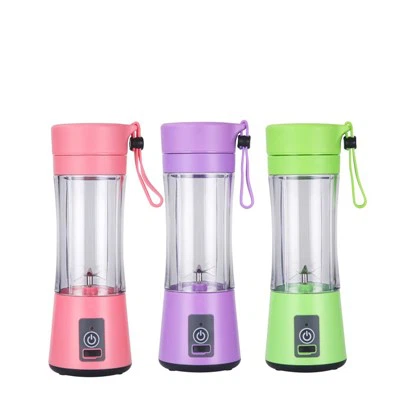
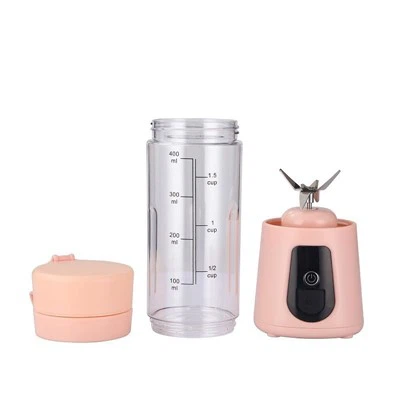
Repairing a cordless portable juicer can be a daunting task, but with the right knowledge and a bit of patience, you can often get your juicer up and running again. As a supplier of cordless portable juicers, I've encountered various issues and learned effective repair methods. In this blog, I'll share some common problems and how to fix them.
Common Issues and Solutions
1. The Juicer Won't Turn On
This is one of the most common problems. There could be several reasons for this:
- Battery Issues: First, check the battery. If the battery is not charged, connect the juicer to a power source using the appropriate charger. Make sure the charger is working properly. If the battery is old and no longer holds a charge, it may need to be replaced. Most cordless portable juicers use rechargeable lithium - ion batteries. You can find replacement batteries online or from the manufacturer.
- Power Switch: The power switch might be faulty. Inspect the switch for any visible damage. If it's loose or broken, you may need to replace it. This usually requires some basic soldering skills. You can purchase a replacement switch from an electronics store.
2. The Juicer Is Making Strange Noises
Strange noises can indicate several problems:


- Loose Parts: Check if any parts of the juicer are loose. This could include the blade assembly, the motor housing, or the cup. Tighten any loose screws or bolts. If the blade is loose, it can cause excessive vibration and noise. Make sure the blade is properly attached to the motor shaft.
- Worn - Out Bearings: Over time, the bearings in the motor can wear out. This can cause a grinding or squeaking noise. To fix this, you'll need to open the motor housing and replace the bearings. This is a more advanced repair and may require some technical knowledge.
3. The Juicer Isn't Blending Properly
If the juicer isn't blending ingredients effectively, consider the following:
- Blade Condition: Examine the blade for damage. A dull or damaged blade won't blend ingredients properly. You can try sharpening the blade using a blade sharpener. If the blade is severely damaged, it will need to be replaced. You can order a replacement blade from the manufacturer or a compatible blade from an online store.
- Overloading: Sometimes, the juicer may not blend well if it's overloaded with too many ingredients. Make sure you're not putting in more than the recommended amount of fruits or vegetables. Follow the user manual for the correct loading capacity.
Step - by - Step Repair Guide
Step 1: Gather Tools
- Screwdriver set (Phillips and flat - head)
- Multimeter (to test the battery and electrical components)
- Replacement parts (if needed) such as batteries, switches, or blades
Step 2: Disassemble the Juicer
- First, make sure the juicer is turned off and unplugged (if it's charging).
- Use the appropriate screwdriver to remove the screws on the outer casing of the juicer. Keep the screws in a safe place.
- Carefully remove the outer casing to access the internal components.
Step 3: Inspect the Components
- Check the battery for any signs of damage, such as swelling or leakage. If the battery is damaged, it should be replaced immediately.
- Examine the power switch for continuity using a multimeter. If there is no continuity, the switch needs to be replaced.
- Look at the blade assembly for any damage or debris. Clean the blade if necessary.
Step 4: Replace Faulty Components
- If you've identified a faulty component, such as a battery or a switch, replace it with a new one. Make sure to follow the manufacturer's instructions for installation.
- For the battery, connect the new battery to the juicer's electrical system. Make sure the connections are secure.
- If replacing the switch, solder the new switch in place using a soldering iron.
Step 5: Reassemble the Juicer
- Once you've replaced the faulty components, put the outer casing back on and tighten the screws.
- Make sure all the parts are properly aligned and there are no loose connections.
Step 6: Test the Juicer
- Charge the battery if necessary.
- Turn on the juicer and test it with a small amount of ingredients. Make sure it's blending properly and there are no strange noises.
Our Product Recommendations
As a cordless portable juicer supplier, we offer a range of high - quality products. Check out our Stainless Steel Juicer Cup, which is durable and easy to clean. Our Portable Usb Charger Blender is perfect for on - the - go use, allowing you to charge it with a USB cable. And our Smoothie Electric Portable Blender is great for making delicious smoothies anywhere.
Contact Us for Purchase and Consultation
If you're interested in purchasing our cordless portable juicers or need more information about repair and maintenance, we're here to help. We have a team of experts who can provide you with professional advice and support. Whether you're a retailer looking to stock our products or an individual consumer, we welcome you to reach out to us for a purchase consultation.
References
- "Cordless Portable Juicer User Manuals"
- "Electronics Repair Guides for Small Appliances"
- "Battery Replacement and Maintenance for Cordless Devices"